Ever wondered why your dog tilts their head, paws at you, or suddenly starts pacing? Dogs communicate through movement, posture, and sounds—but the same behavior can mean different things in different situations.
To understand your dog, watch their whole body and consider what’s happening around them. A wagging tail or exposed belly alone doesn’t tell the full story. Here are 25 common dog behaviors explained, with tips to help you respond.
1. Tilting Head to One Side
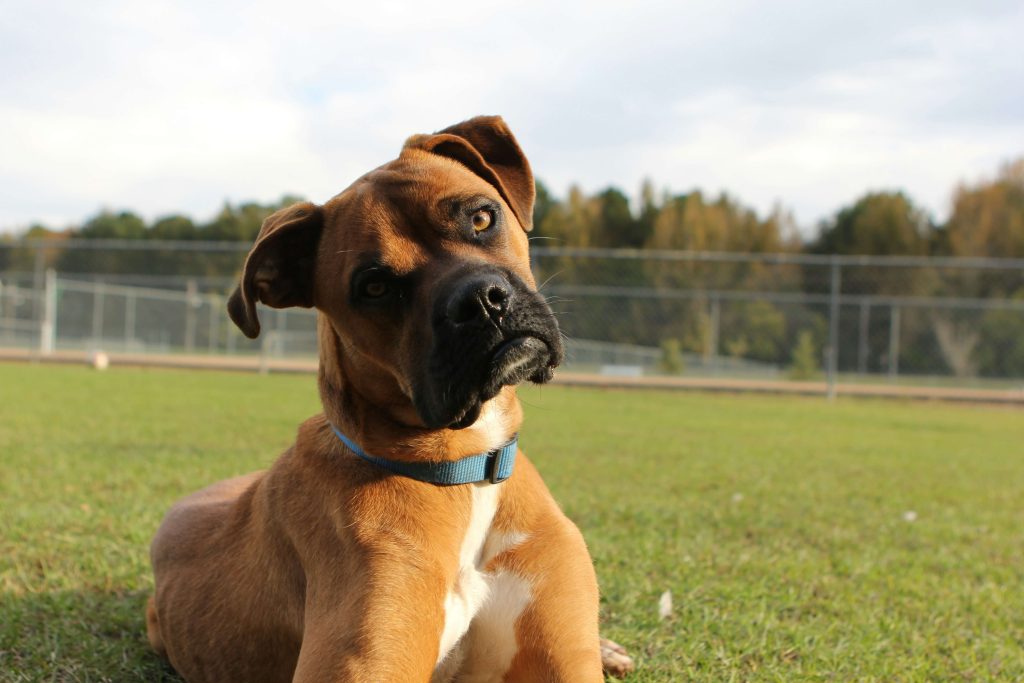
Dogs may tilt their heads when paying attention to an interesting sound or familiar word. Researchers are still exploring exactly why they do it, so it isn’t a guaranteed sign that they understand you.
A brief listening tilt is different from a persistent head tilt, especially with balance problems, which needs veterinary attention.
2. Yawning
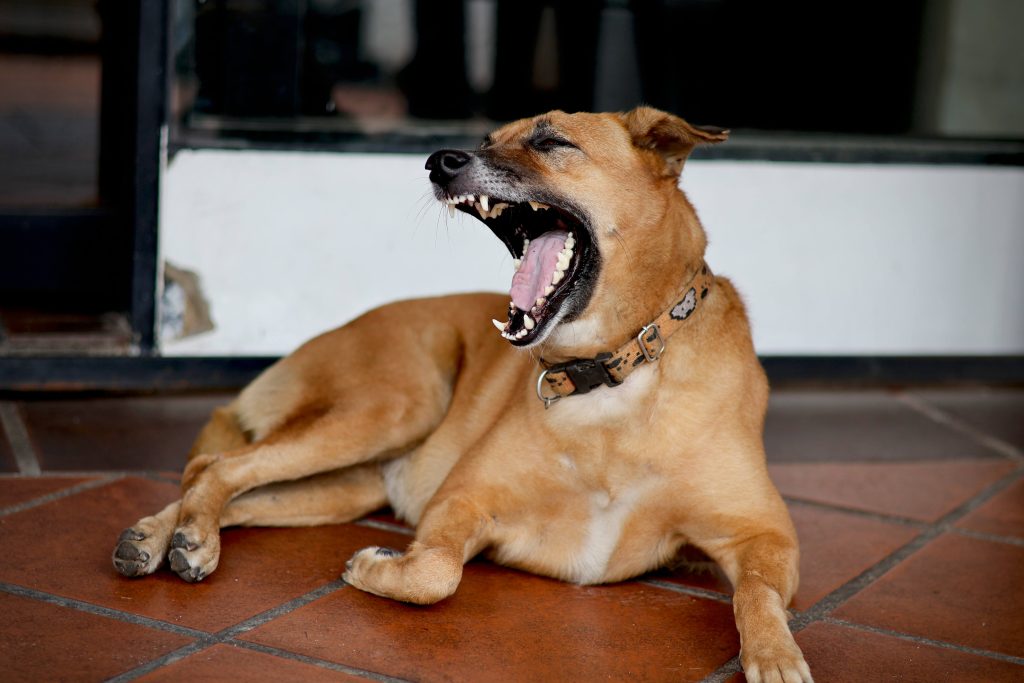
Dogs yawn when they’re tired, but also during stressful or uncertain situations. A yawn before a nap is different from repeated yawning while someone leans over them.
Look for accompanying signs such as turning away, tense posture, or pinned-back ears. If your dog seems uncomfortable, give them space and a break.
3. Shaking Head
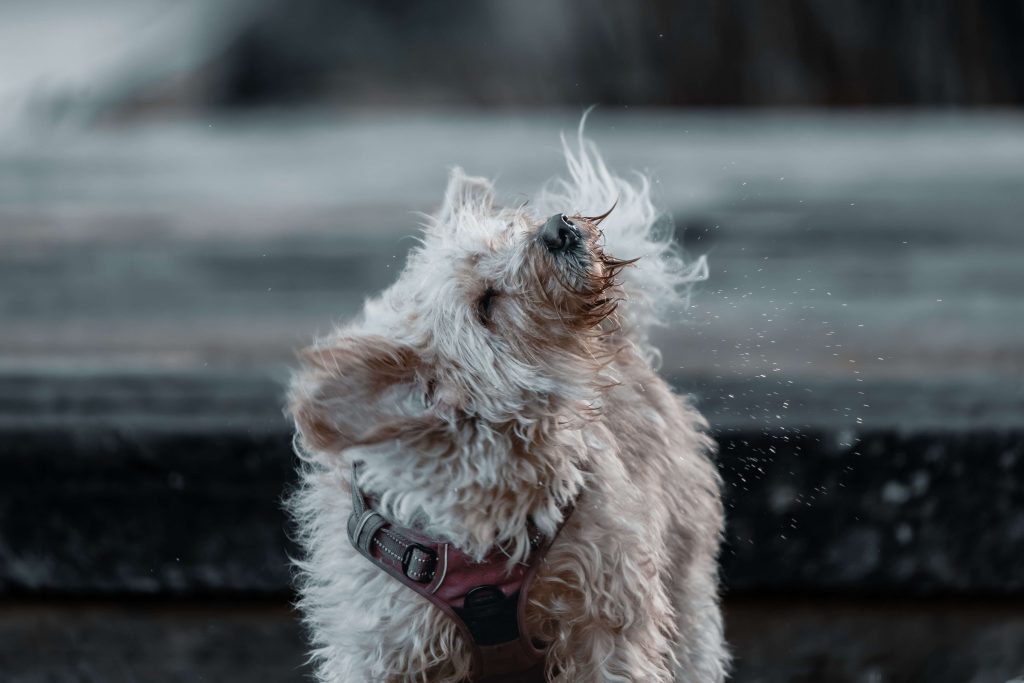
An occasional head shake, especially after getting wet, can be normal. Repeated shaking, scratching, an unusual smell, or discharge may indicate an ear problem. Arrange a vet check if it persists, and avoid putting cotton swabs or unprescribed treatments into the ear.
4. Licking Lips
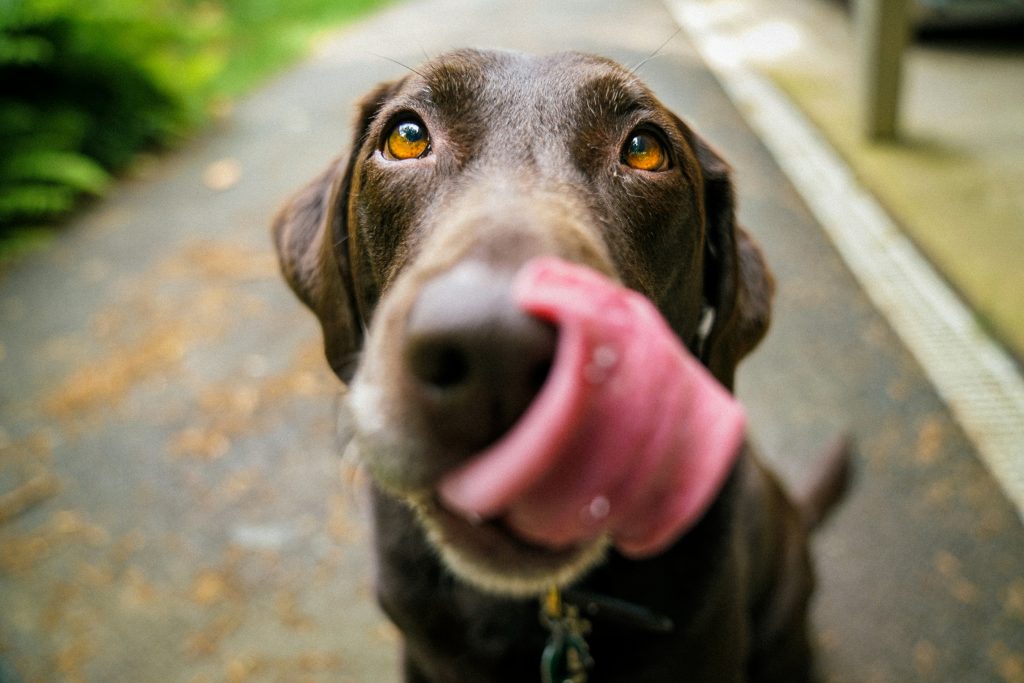
Lip licking can happen around food, but quick, repeated tongue flicks during an interaction may signal discomfort. Notice whether your dog also looks away or holds their ears back. Stop or soften the interaction if they seem uneasy.
Persistent licking outside these situations, especially with drooling or appetite changes, deserves a vet check.
5. Panting
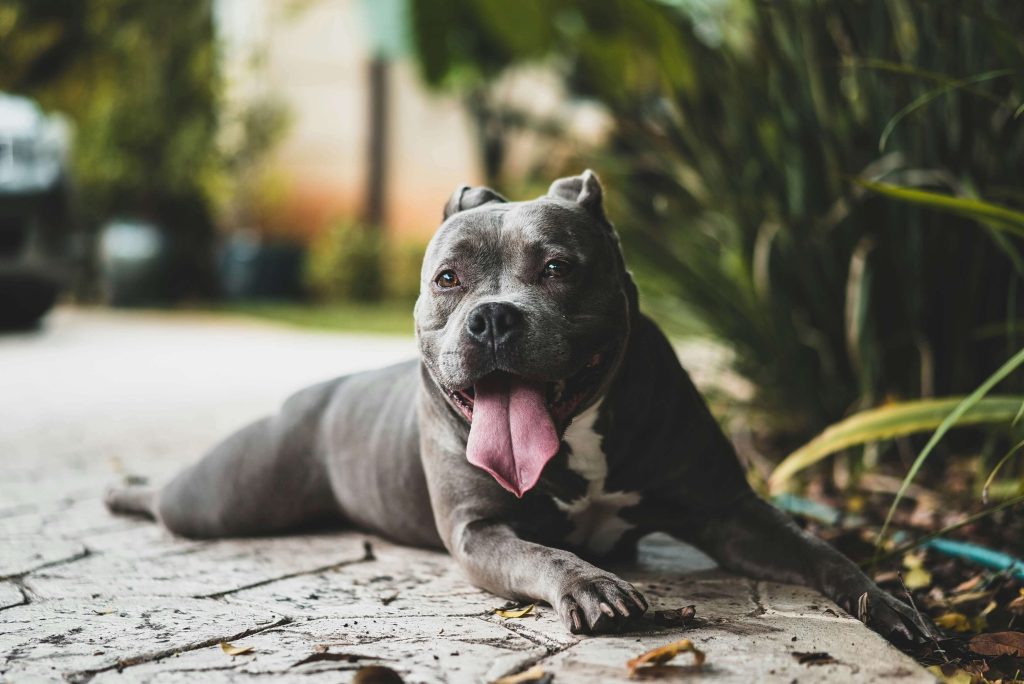
Panting helps dogs cool down after activity or in warm weather. It can also accompany excitement, stress, or pain. Allow rest in a cool place and offer water.
Unexplained panting at rest warrants veterinary advice; heavy panting with weakness, breathing difficulty, or collapse needs urgent care.
6. Showing Teeth and Biting
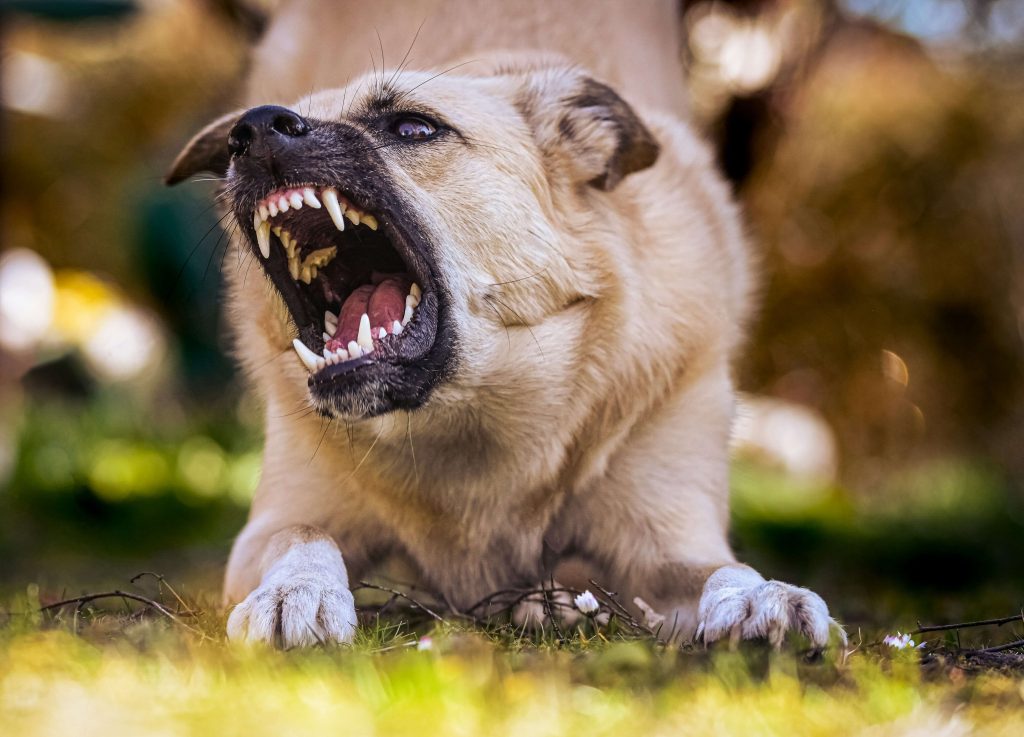
Bared teeth with a stiff body or growling are a warning to stop approaching or handling your dog. Some dogs also show their teeth in a relaxed, submissive grin, so context matters. If you’re unsure, give space. Don’t test their tolerance or assume they will always warn before biting.
7. Wagging Tail
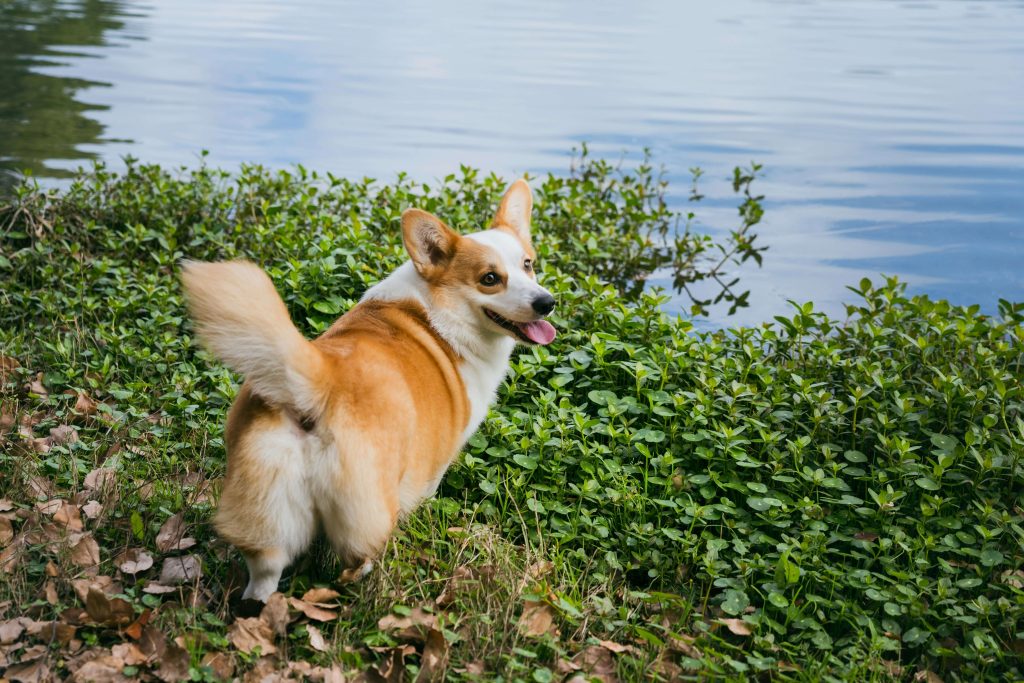
A wagging tail signals emotional arousal, which can include happiness, excitement, or tension. Look at the rest of the dog: loose, wiggly movement differs from a rigid body and fixed stare.
Compare tail position with your dog’s usual posture, and never assume a wag means a dog welcomes touching.
8. Growling

Dogs may growl during play or when they feel worried, threatened, or protective of something. Relaxed movement during a game provides different context from freezing over a food bowl.
If a growl signals discomfort, stop and give space. Don’t punish it—you could suppress the warning without addressing the cause.
9. Raising Hackles
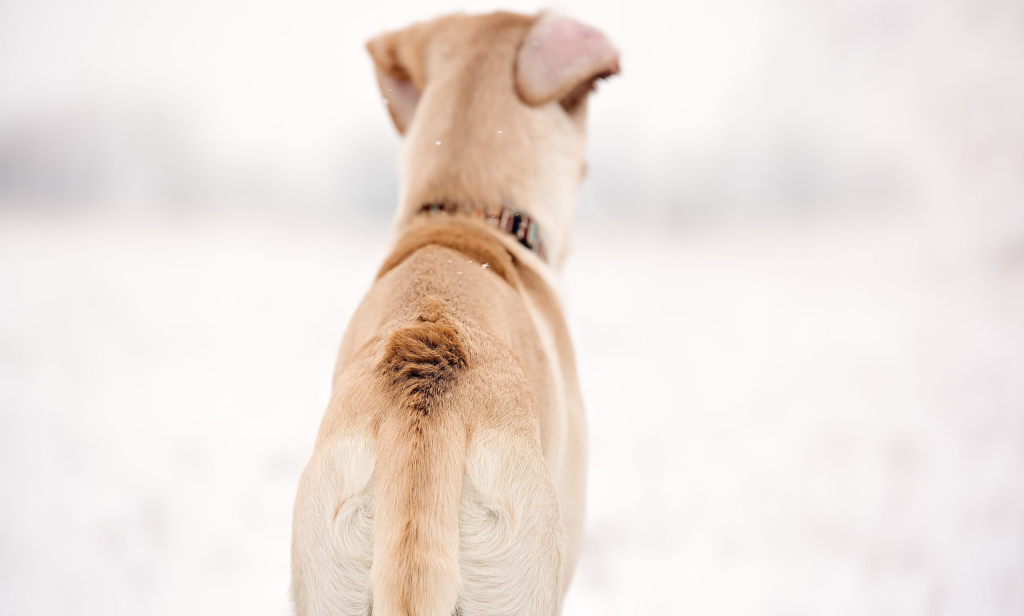
Raised hackles—the fur standing up along the neck or back—are an involuntary sign of arousal. Fear, surprise, excitement, or intense interest can all contribute; aggression isn’t the only explanation.
Check your dog’s posture and surroundings. If they’re stiff or overwhelmed, calmly create distance from whatever has caught their attention.
10. Digging
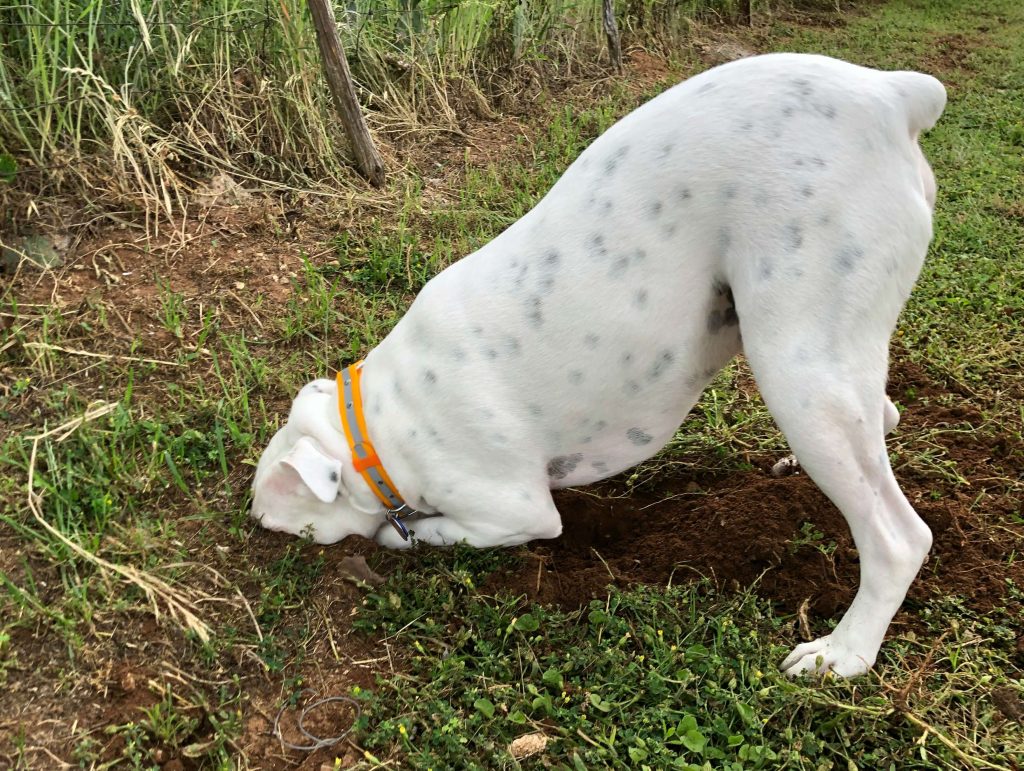
Dogs may dig to explore scents, find a cooler resting spot, bury items, or entertain themselves. Notice when and where it happens before deciding boredom is the cause. Offer a designated digging area and suitable enrichment, such as sniffing games and supervised chewing. Persistent digging near exits may need closer investigation.
11. Stretching
A stretch after sleeping usually helps your dog get moving again. A brief front-end dip with the rear raised, followed by bouncy movement, is often a play bow. You can respond with a gentle game if they seem eager. Repeated unusual stretching with discomfort or difficulty settling deserves veterinary advice.
12. Pricking Ears
Forward or raised ears often mean your dog is paying attention to a sound, movement, or scent. That attention could reflect curiosity or concern. Check whether their body remains relaxed or becomes rigid. Ear shapes vary between breeds, so learning your dog’s normal resting position makes changes easier to recognize.
13. Howling
Dogs may howl in response to sirens, other dogs, or exciting sounds. Some also howl when distressed about being left alone. Pay attention to the timing: occasional howling at a siren differs from prolonged howling after you leave. Record their behavior during absences if you suspect they’re struggling.
14. Barking
Barking can express excitement, alarm, frustration, fear, or a desire for attention. Sound alone won’t reliably tell you which. Notice the trigger and your dog’s posture before responding. Whining also has several possible meanings. Meet genuine needs, reduce stressful triggers, and reward calm behavior instead of shouting over the noise.
15. Flicking Ears
Dogs move or flick their ears to track sounds or respond to a tickle or irritation. An occasional flick usually isn’t concerning. Repeated flicking with scratching, head shaking, redness, or an unusual smell suggests discomfort. Have your vet check persistent symptoms rather than assuming every ear movement means infection.
16. Scooting
Dragging the rear across the floor usually means something is irritating the area. Anal sac problems are one possible cause, but skin irritation or material caught in the fur can also contribute. Repeated scooting, swelling, bleeding, or obvious pain needs veterinary attention. Avoid trying to express the anal sacs yourself without guidance.
17. Pacing
Pacing can reflect anticipation, anxiety, a need to toilet, or difficulty getting comfortable. It differs from zoomies—brief bursts of energetic running that often occur during excitement or play. Check your dog’s immediate needs and surroundings. New, persistent pacing, especially with other changes, deserves a vet check rather than simply more exercise.
18. Tucking Tail Between Legs
A tucked tail often accompanies fear or uncertainty, especially with crouching or ears held back. Move your dog away from pressure and let them choose whether to approach. Remember that some dogs naturally carry their tails low. A sudden change from their usual posture may also suggest discomfort.
19. Closing Mouth or Opening It Slightly
A softly open mouth can accompany relaxation, while suddenly closing it during an interaction may signal increased attention or tension. A closed mouth alone is normal, though. Look for changes such as freezing, staring, or shifting away. If these appear together, pause what you’re doing and give your dog room.
20. Exposing Belly
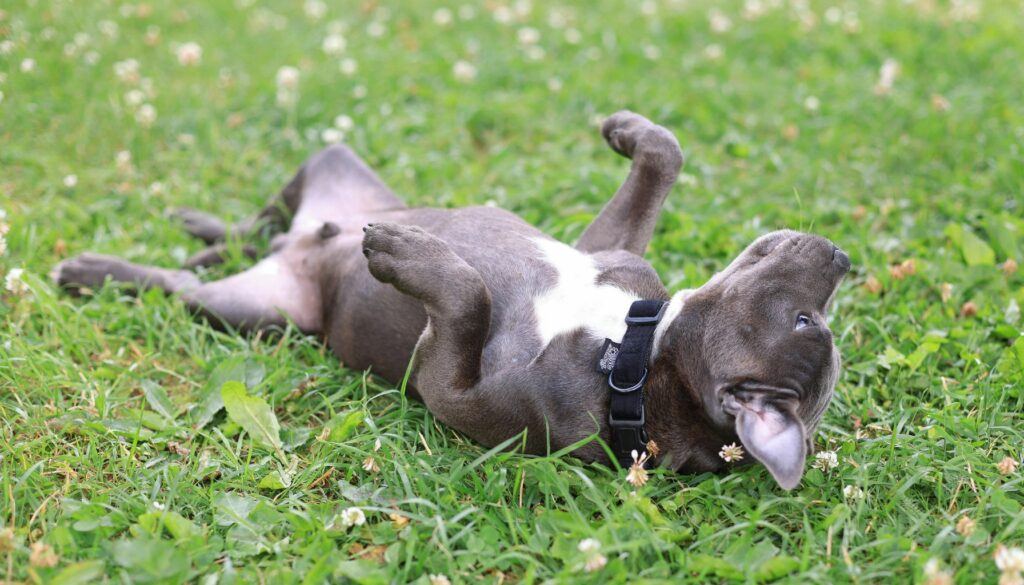
A loose, relaxed dog rolling onto their back may enjoy a belly rub, but belly exposure isn’t always an invitation. A tense dog with a tucked tail may be trying to avoid conflict. Pause and watch their response instead of immediately reaching in. Let them choose whether to continue the interaction.
21. Raising Paws
A raised paw can mean anticipation, a learned request for attention, or uncertainty. Some dogs also lift a paw while concentrating on a scent. Read it alongside their posture and the situation. If your dog repeatedly holds a paw off the ground or limps, consider physical discomfort and contact your vet.
22. Sniffing the Air
Sniffing helps dogs gather information about nearby people, animals, food, and unfamiliar scents. Pausing to investigate is a normal part of exploring, not necessarily a refusal to listen. Allow safe sniffing opportunities on walks. If your dog becomes tense while scenting something, give them space rather than pulling them toward it.
23. Bringing You Items
Bringing a toy may invite play, but some dogs simply enjoy carrying something while greeting you. It doesn’t always mean they want you to take it. Socks and shoes may also attract attention or become chew targets. Offer an appropriate toy, practice rewarded trades, and avoid chasing or grabbing.
24. Crouching
Crouching can indicate fear or uncertainty, particularly with a tucked tail and attempts to retreat. Dogs may also lower themselves while playing or stalking, so watch what happens next. Don’t force a worried dog closer to the situation. Create distance and let them recover at their own pace.
25. Walking in Circles Before Lying Down
A few turns before settling can be a normal bedtime habit. Preparing a comfortable resting spot is one proposed explanation, although ancestral explanations aren’t the whole story. If your dog circles repeatedly, struggles to lie down, or seems disoriented, contact your vet rather than dismissing it as routine.
Understanding Your Dog’s Behavior
The most useful clue is often a change from your dog’s normal behavior. Notice when it happens, what comes before it, and whether your dog can comfortably settle afterward.
If a behavior is new, persistent, painful, or increasingly difficult to manage, speak with your vet. They can assess possible health causes and recommend qualified behavior support when needed.