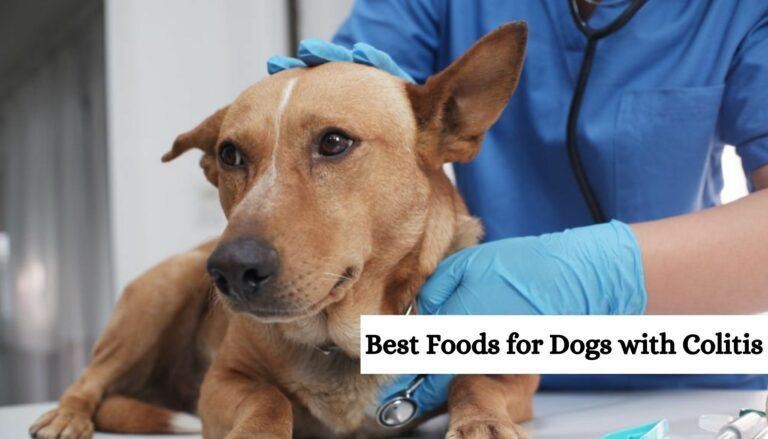
Grooming your dog at home is not only a great because it helps with your dog’s overall health, but if you are a bit like me, I like it also because it’s also a bit cheaper. So to make sure that you will do everything right, in this article, I will share with you 10 steps/tips to show you how you can groom your dog at home.
Article Overview:
1. Cleaning Your Dog’s Eyes

To clean your dog’s eyes, use a damp cloth or specialized eye wipes made for pets. Gently wipe around the eyes, avoiding direct contact with the eyeball itself. This will help remove dirt and tear stains, especially in dogs prone to these, like those with lighter fur. Make this part of your routine to ensure your dog’s eyes remain clear of any debris. Yup, simple as that!
2. Cleaning Your Dog’s Ears
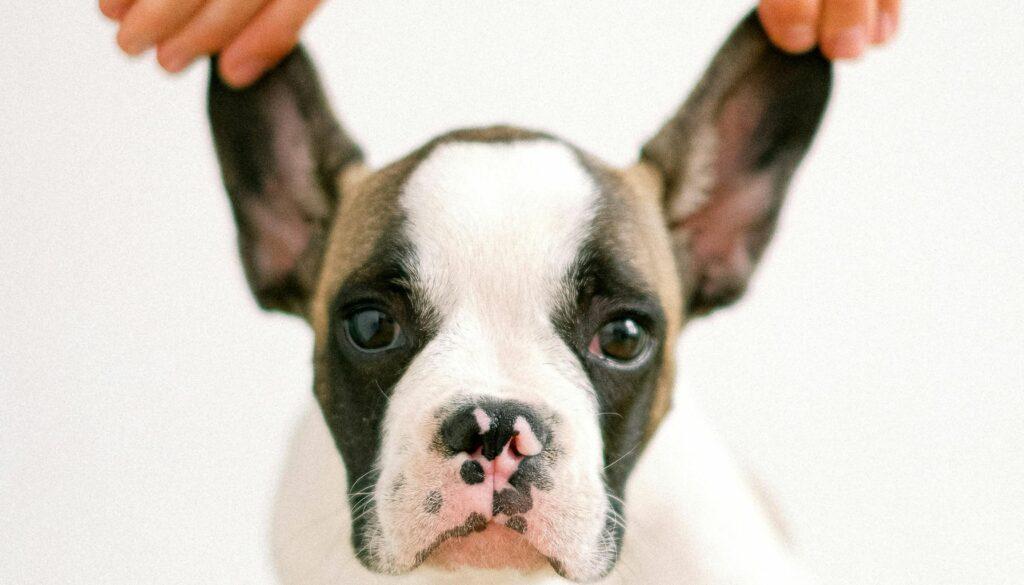
Dogs with floppy ears or hair in their ear canals are more prone to ear infections, so cleaning their ears regularly is important.
Use a vet-approved ear cleaner and cotton balls to gently wipe the outer parts of the ears. Avoid inserting anything deep into the ear canal. Ear powder can also help absorb moisture and reduce the chance of infections, especially if your dog frequently swims or gets wet.
For breeds that need ear maintenance but dislike having their ears cleaned, making this a weekly habit can make the process easier over time. I know this because my dog loves being dirty, and hates when I’m trying to groom him, lol. He is more used to it, but not his favorite.
3. Cleaning Your Dog’s Nose

A dog’s nose can get dirty quickly from sniffing around outside. Wipe away dirt and dust with a soft, damp cloth. If the nose appears dry or cracked, apply a dog-safe balm or some sort of moisturizer to keep it hydrated, you can easily find it online, just make sure that it’s safe for your dog. Dogs that frequently sniff in dustier environments may require more frequent nose cleaning to ensure their noses stay healthy.
4. Brushing Your Dog’s Teeth
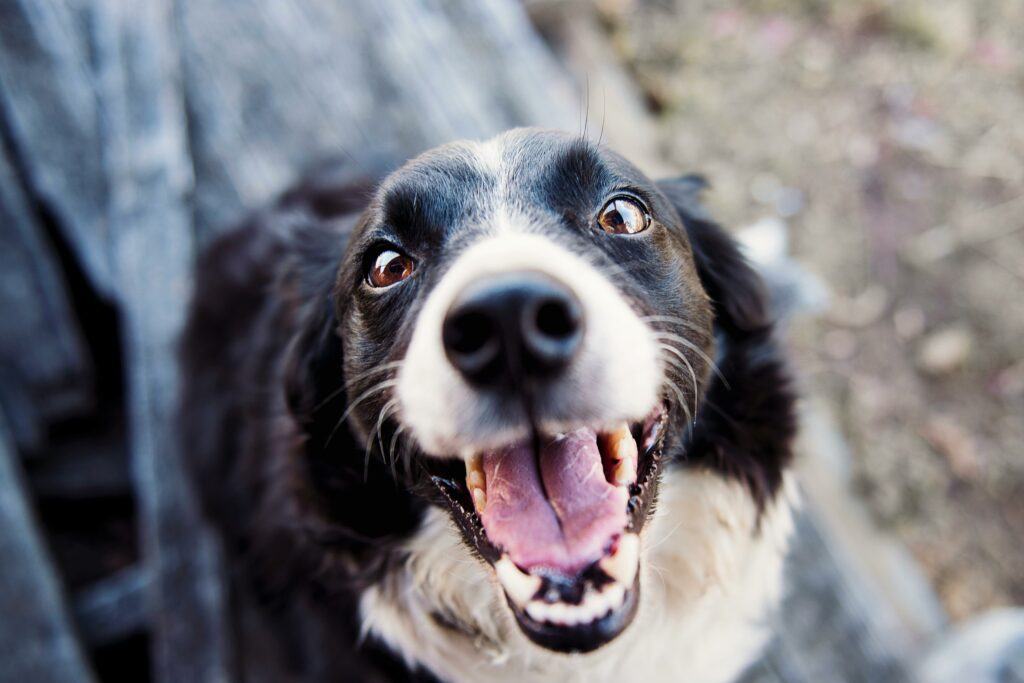
Oral hygiene is often overlooked, but it’s a crucial part of your dog’s overall health. Use a dog-specific toothbrush and toothpaste to gently brush your dog’s teeth. You can start by brushing just a few teeth at a time until your dog gets used to the process.
Regular brushing can help prevent plaque buildup and gum disease, keeping their teeth and gums healthy. Also, your dog’s breath won’t stink that much, a huge benefit in my opinion. Also there are these toys you can order, or buy at a local store, where you put toothpaste (made for dogs of course) and your dog will just chew on it, and it is supposed to clean your dog’s teeth.
Also, if you make tooth brushing a regular part of the routine, even brushing a few times a week can make a big difference. If you want to brush your dog’s teeth yourself.
5. Brushing Your Dog’s Coat
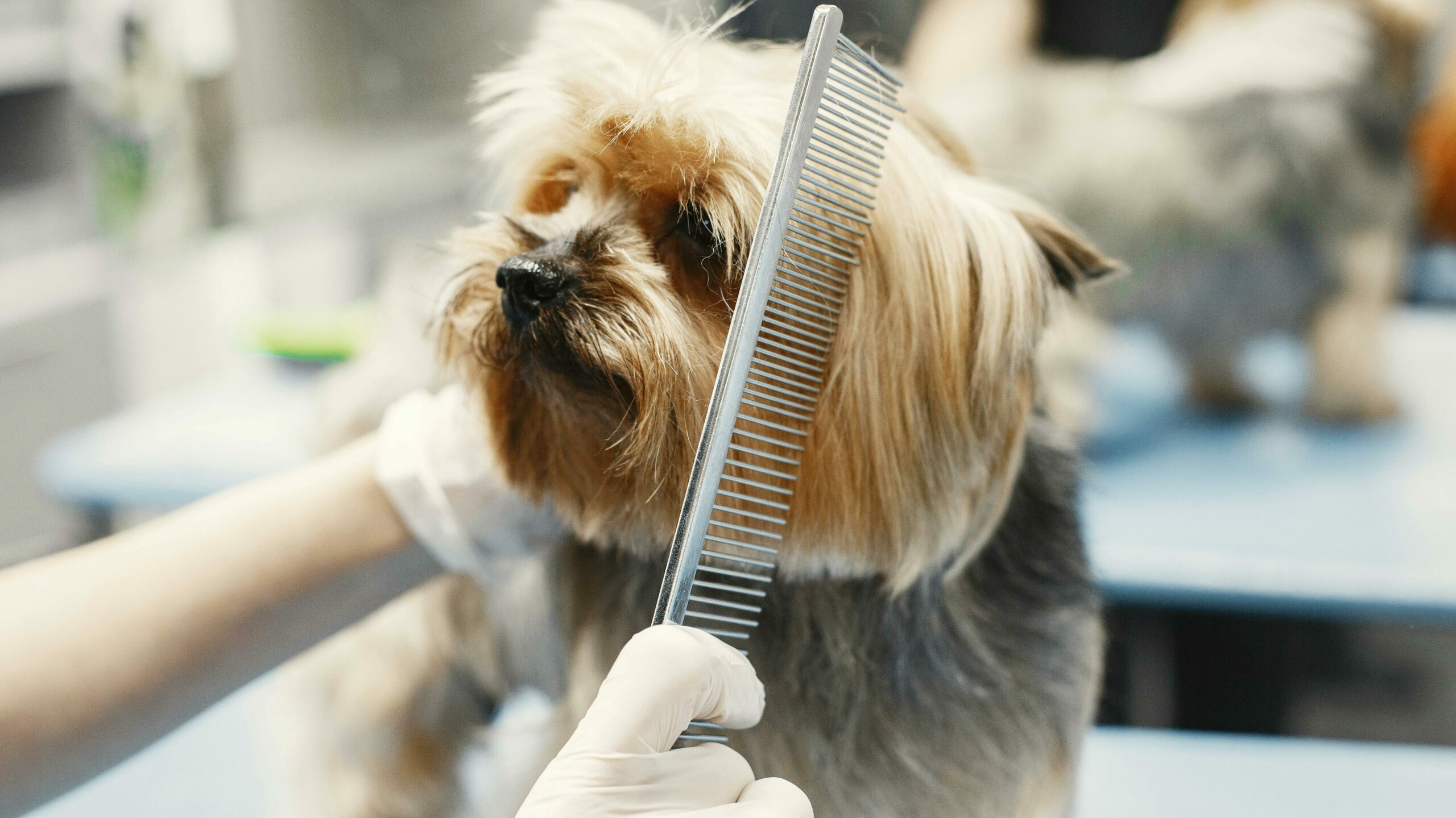
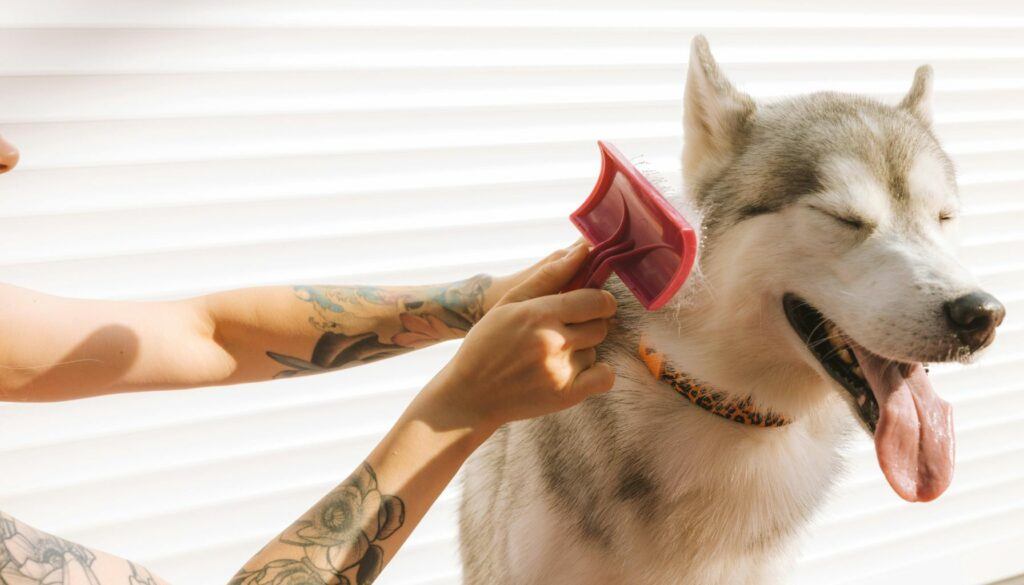
Regular brushing helps keep your dog’s coat clean and free of mats, and it also distributes natural oils that keep the skin healthy. Depending on the breed, you may need a slicker brush for longer coats or a bristle brush for shorter ones. Always brush in the direction of hair growth, and be gentle when working through tangles to avoid pulling.
Some owners find brushing to be especially important for dogs with double coats or breeds that blow their coat seasonally, like Huskies. Regular brushing can help manage shedding and prevent fur from matting.
For example, my dog hates brushing his coat, but he needs it because if we don’t brush it then we will have to trim at all off.
Types of Brushes:
As a little bonus for you, here are the different types of brushes, and for what type of dog coat it is made for.
- Slicker brush: Ideal for long-haired dogs, this brush helps remove mats and tangles.
- Bristle brush: Suitable for short-haired dogs, this brush helps to remove loose hair and dirt.
- Pin brush: Best for dogs with medium to long hair, it’s gentle on the coat and helps detangle.
6. Trimming Your Dog’s Coat

For long-haired breeds, trimming around sensitive areas like the paws, belly, and tail is important to prevent matting and keep your dog clean. You can use blunt-ended scissors or electric clippers with guard combs to ensure an even cut.
Also, I recommend you buying some real good quality electric clippers, because some dogs, like my little dog’s fur, isn’t actually as easy to cut, specially over time.
Keep an eye on specific areas that tend to accumulate more hair, like between the paw pads or around the ears. If you’re hesitant about trimming, start with small sections to build your confidence. Over time, as both you and your dog get used to the process, it will become much easier.
7. Cutting Your Dog’s Nails

Trimming nails is one of the most important grooming tasks but can be tricky. Use a dog nail clipper or grinder, and cut the nails carefully to avoid the quick, which can cause bleeding. For dogs that are anxious about nail trimming, working in short sessions, or after they’ve had some exercise may help reduce stress.
Regular nail trimming can prevent discomfort when walking and minimize the risk of nails growing too long. Some owners prefer using a nail grinder, as it allows for gradual shaping and reduces the chances of accidentally cutting too much.
8. Cleaning and Protecting Your Dog’s Paws

Inspect your dog’s paws for any dirt, debris, or cuts. Clean between the toes with a damp cloth and check for any signs of irritation or injury. Paw balm can be applied to keep the pads moisturized, especially during harsh weather conditions like extreme cold or heat.
For dogs that spend a lot of time outdoors, it’s important to regularly check their paw pads for any signs of cracking or injury. Cleaning and protecting them helps keep your dog comfortable on walks.
9. Bathing & Drying Your Dog’s Coat

When it comes to bathing your dog, always use a dog-specific shampoo. Wet your dog thoroughly, starting from the neck down, and gently massage the shampoo into the coat. Rinse thoroughly to avoid any residue, which can irritate the skin. After the bath, towel-dry your dog or use a low-heat dryer to remove excess moisture.
Long-haired breeds may require additional care after a bath, such as brushing out the coat to prevent tangles. Make sure to dry thoroughly, especially in areas like the belly and between the paws, where moisture can cause skin problems.
10. Massaging Your Dog

Incorporating massage into your grooming routine can help your dog relax. Use gentle, circular motions around the shoulders, neck, and legs. Massaging helps with relaxation, but some claim that this could also improve your dog’s trust in you during grooming sessions. Not sure how true that could be, but if I were a dog, I would not mind getting massaged.
This step might not be the most important when it comes to a dog’s health and stuff like that, but your dog shouldn’t mind this extra step at all!
Final Thoughts
Grooming your dog at home can be rewarding and a bit cheaper. Using each of these steps/tips into your routine, you can keep your dog healthy, clean, and comfortable, while strengthening the bond between you and your pet. Each dog is different, so it may take some time to figure out what works best for both of you.