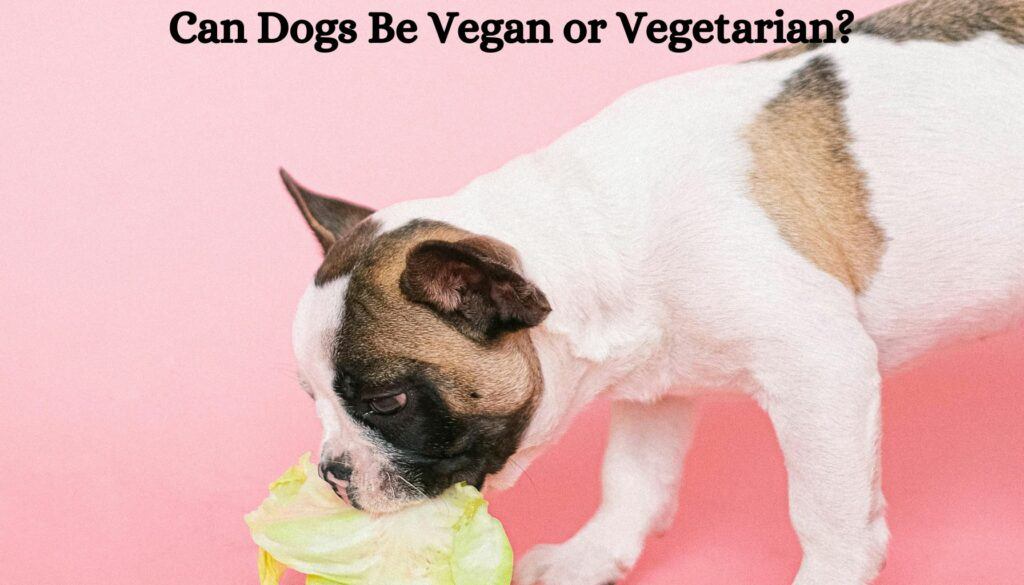
Switching your dog to a plant-based diet can seem like a healthy choice that aligns with ethical and environmental concerns. But can dogs even be vegan or vegetarian? Well, let me answer that question real quick, yes and no. Might be a big confusing, but stick with me here.
Article Overview:
The Basics of Vegan and Vegetarian Diets for Dogs
Dogs can adapt to vegetarian and even vegan diets because they are omnivorous, able to digest and derive nutrients from both plant and animal sources. Their bodies can utilize plant-based sources to meet their nutritional needs, including obtaining essential nutrients like vitamin A from beta-carotene found in plants.
Health Benefits and Risks
A well-formulated vegetarian diet can be beneficial for dogs with specific health issues, such as allergies or liver disease. However, the long-term effects of these diets are not fully understood, though some studies, like a 2009 research on racing Siberian Huskies, show that a meat-free diet did not negatively impact their performance over 16 weeks.
Nutritional Considerations Before Switching
Adequate Protein Intake
Dogs need diets with at least 18% protein for adults and 22.5% for puppies or lactating females, as recommended by the Association of American Feed Control Officials (AAFCO). High-quality vegan dog foods often include protein from legumes, peas, and plant protein concentrates to meet these needs.
Essential Vitamins and Minerals
Certain vitamins and minerals that dogs typically get from meat must be supplemented in vegan diets. These include B vitamins, iron, calcium, and phosphorus, which can be sourced from grains, legumes, and green vegetables. Vitamin D supplementation is often necessary in vegan dog diets to prevent deficiencies.
Amino Acid Balance
Ensuring the correct balance of essential amino acids is crucial, as plant proteins do not naturally contain all the amino acids dogs need. A combination of different plant proteins can help achieve the right amino acid profile to keep your dog healthy.
Choosing the Right Vegan or Vegetarian Dog Food
When selecting a commercial vegan dog food, it’s important to choose one that meets AAFCO’s nutrient profiles. Options like V-Dog Kind Kibble, which includes proteins from peas and lentils, are formulated to ensure they provide a complete and balanced diet.
Transitioning Your Dog to a Plant-Based Diet
Transitioning to a new diet should be gradual to prevent digestive issues and help your dog adjust to the new taste and texture of vegan or vegetarian food. Start by mixing a small amount of plant-based food with their current diet, gradually increasing the proportion over several days.
Monitoring Your Dog’s Health
Once your dog is on a plant-based diet, closely monitor their health and energy levels. Regular check-ups with the vet can help ensure that your dog remains healthy and that their dietary needs are being met without any adverse effects.
Conclusion
While dogs can thrive on a vegetarian or vegan diet, careful consideration and planning are essential to ensure that their nutritional needs are met. Consult with a vet or animal nutritionist to create a balanced diet and consider slowly introducing plant-based foods to gauge how your dog adjusts before fully committing to a meat-free diet.